


Wiktor Szymanowicz/Future Publishing via Getty Images


 Add JewishInsider on Google
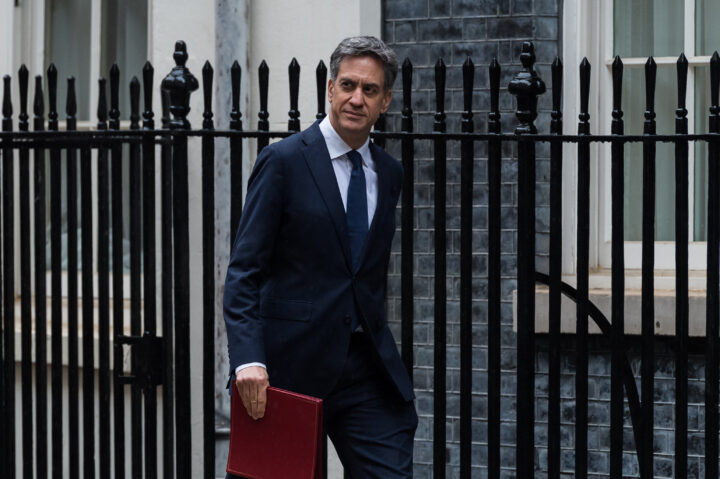
British Foreign Secretary Ed Miliband agreed on Monday to host a meeting of ministers from seven countries to coordinate efforts against antisemitism, following talks in London with Jewish leaders who criticized the British government’s policies and rhetoric toward Israel.
Representatives of the J7 Task Force Against Antisemitism — a body of major Jewish organizations representing diaspora communities in the United States, United Kingdom, Canada, France, Germany, Argentina and Australia — said they expressed to Miliband their “serious concern” about recent British government measures and rhetoric targeting Israel, including new U.K. sanctions on Israeli settlements, and warned of their detrimental impact on global Jewish communities.
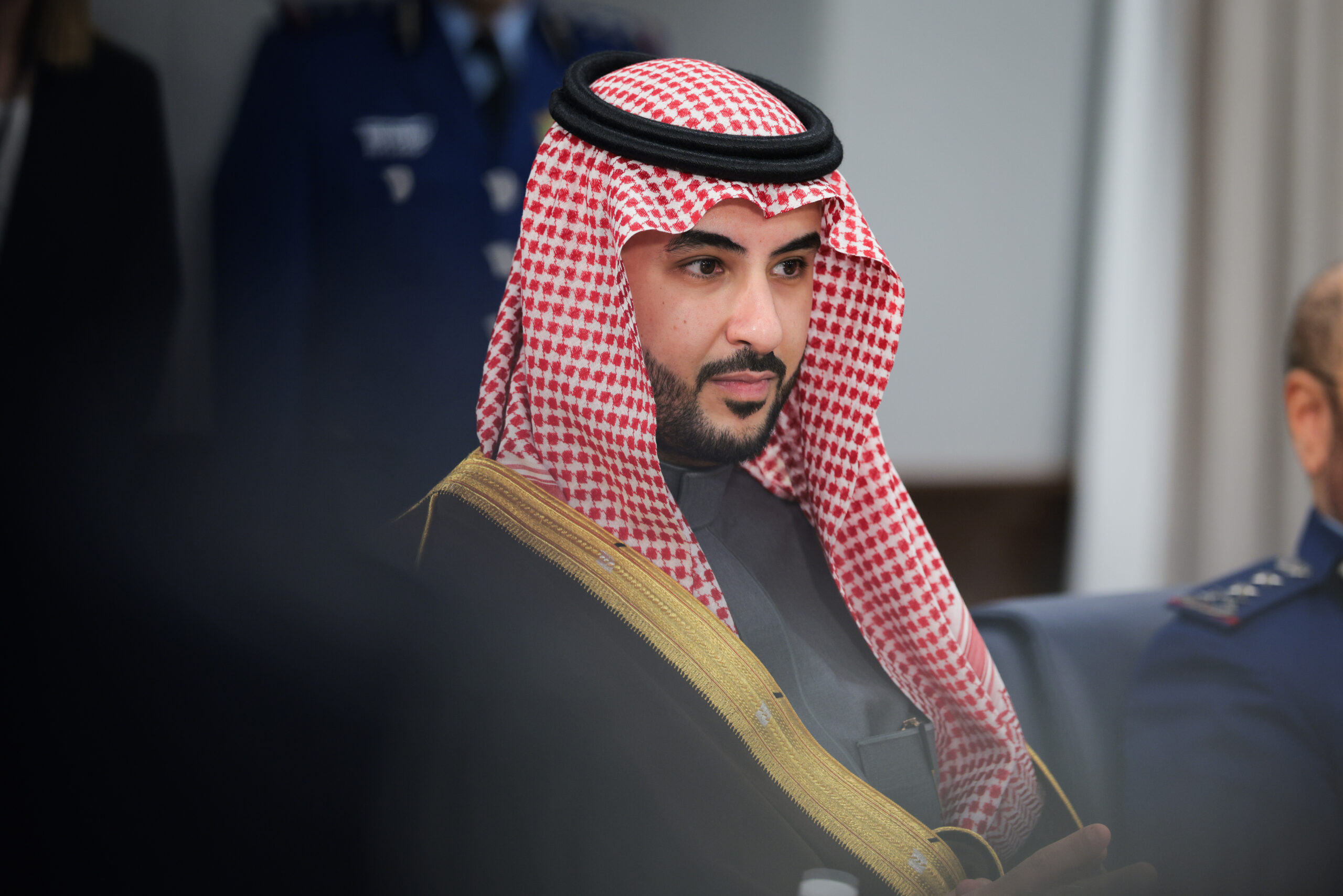
NATHAN HOWARD/POOL/AFP via Getty Images
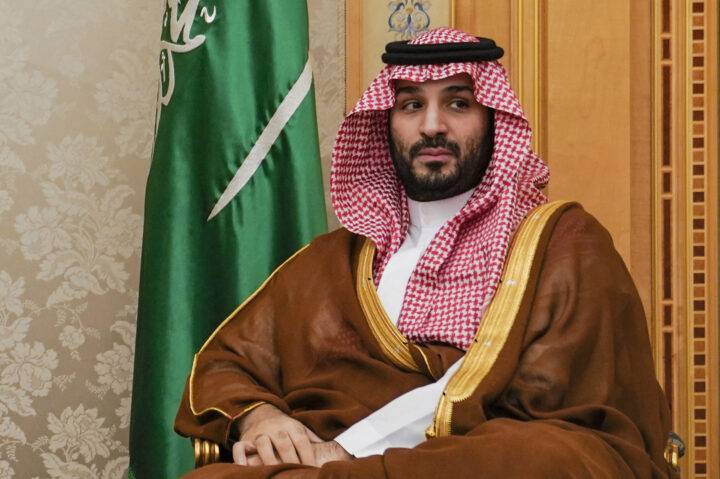
Saudi Crown Prince Mohammed bin Salman has spent years — and billions of dollars — seeking to transform his country into a global economic powerhouse. But the recent escalation in tensions with the Iran-backed Houthis in Yemen — including the deadly weekend strikes on Riyadh’s main airport — is putting into question whether such a strategy is compatible with the changing geopolitical reality and continued threats posed by Iran and its terror proxies.
Thirteen people were killed and hundreds injured in a strike on a passenger terminal at the airport on Saturday. Another individual was killed in a separate attack when a projectile struck the airport again on Sunday. One American was among those killed in Saturday’s attack, prompting questions over whether Washington will enter the fight.
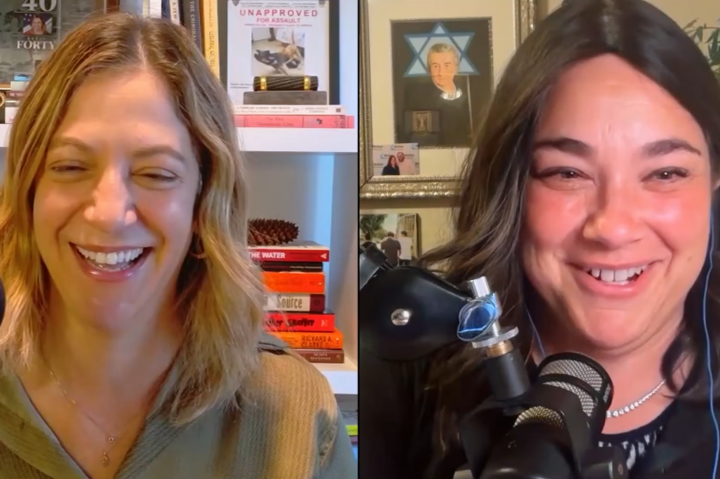
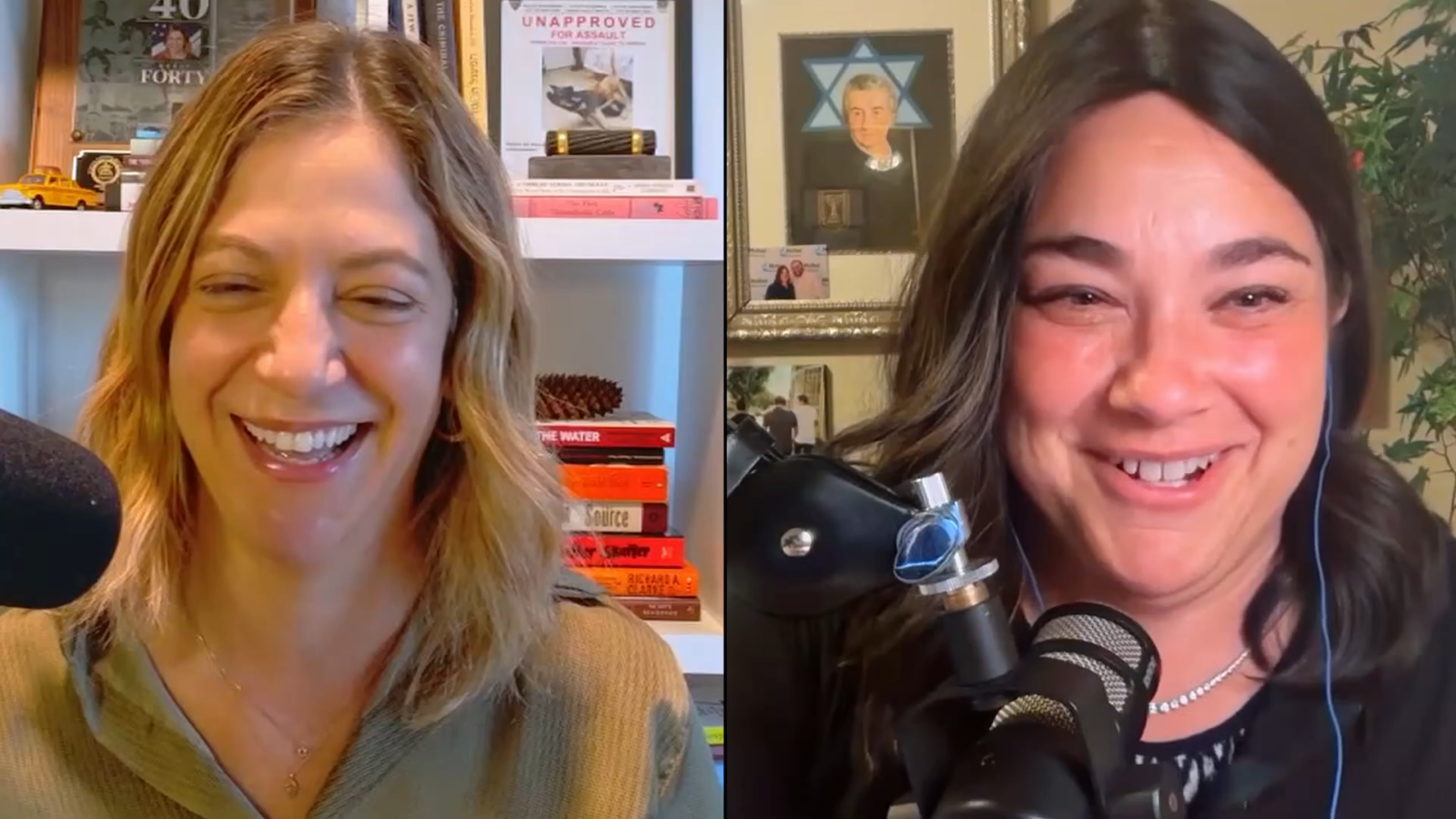
There aren’t many places where an Orthodox Chabad mother of four and a secular Israeli social media strategist can debate Jewish life, Israel and dating — and still leave the conversation laughing.
That’s the premise behind “Chosen People Problems,” the podcast hosted by ChayaLeah Sufrin and Yael Bar Tur, whose friendship grew after they appeared on another podcast together.
Paul Sancya, Pool/AP
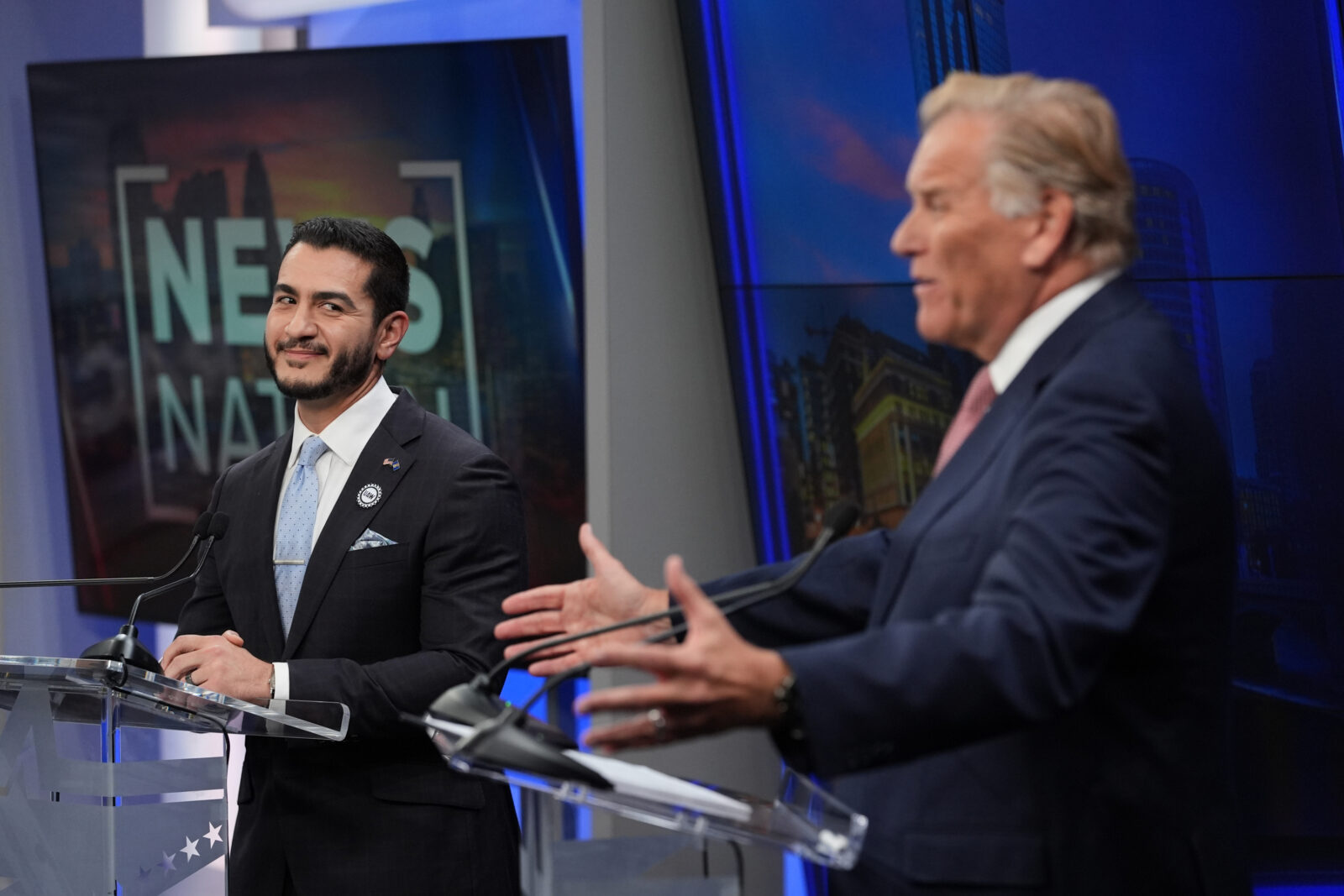
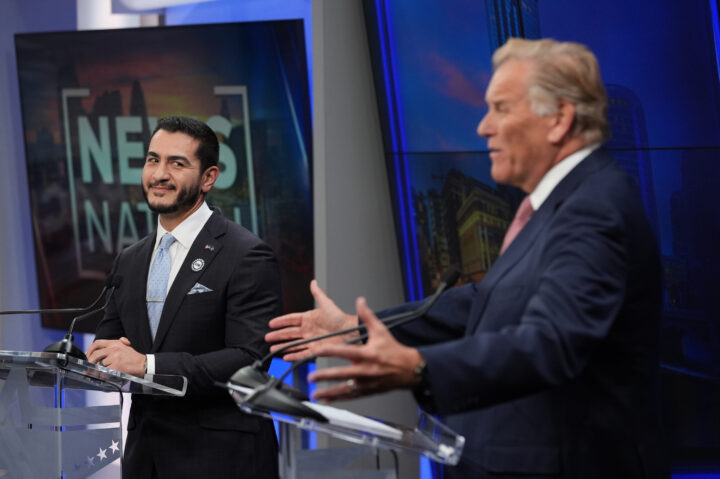
Last Thursday’s Michigan Senate debate, where Democratic nominee Abdul El-Sayed framed Israel as a threat to the United States comparable to Iran and said he would not vote to send defensive aid to Israel even if it were under fire, proved to be a breaking point for some Jewish Democrats who were holding out hope that the Democratic nominee would moderate his views in the general election.
Community leaders said that they’re hearing from some previously undecided Jewish Democrats that, after they debate, they now plan to back Republican Mike Rogers.
Chip Somodevilla/Getty Images
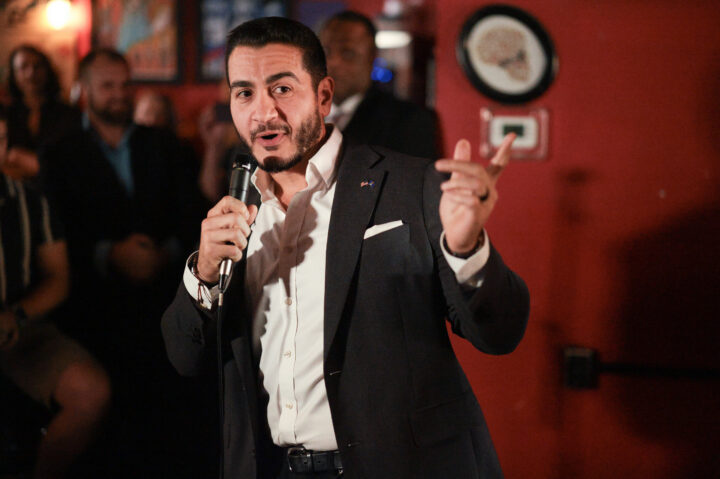
Democratic Michigan Senate nominee Abdul El-Sayed on Sunday denied that he or any of his family members have ties to the Muslim Brotherhood — accusations his opponent, former Rep. Mike Rogers (R-MI), raised last week during the first Michigan Senate debate.
Asked by Kristen Welker on “Meet the Press” to respond to Rogers’ claims, El-Sayed first answered, “You know Kristen, the only reason he said those things is because he really wanted to repeat the word Muslim.”
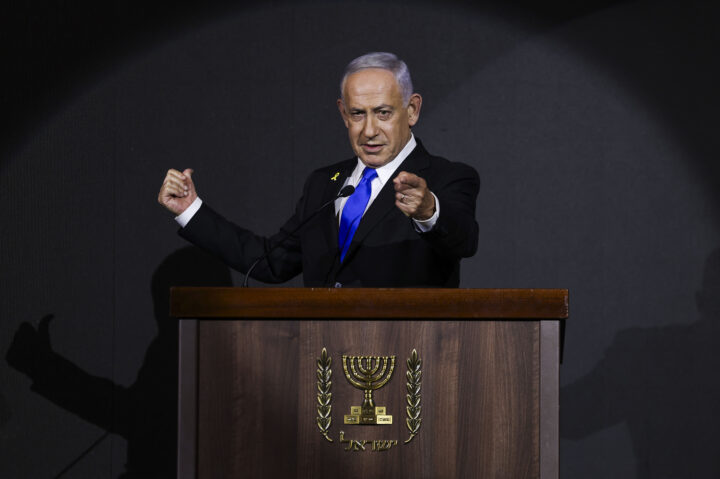
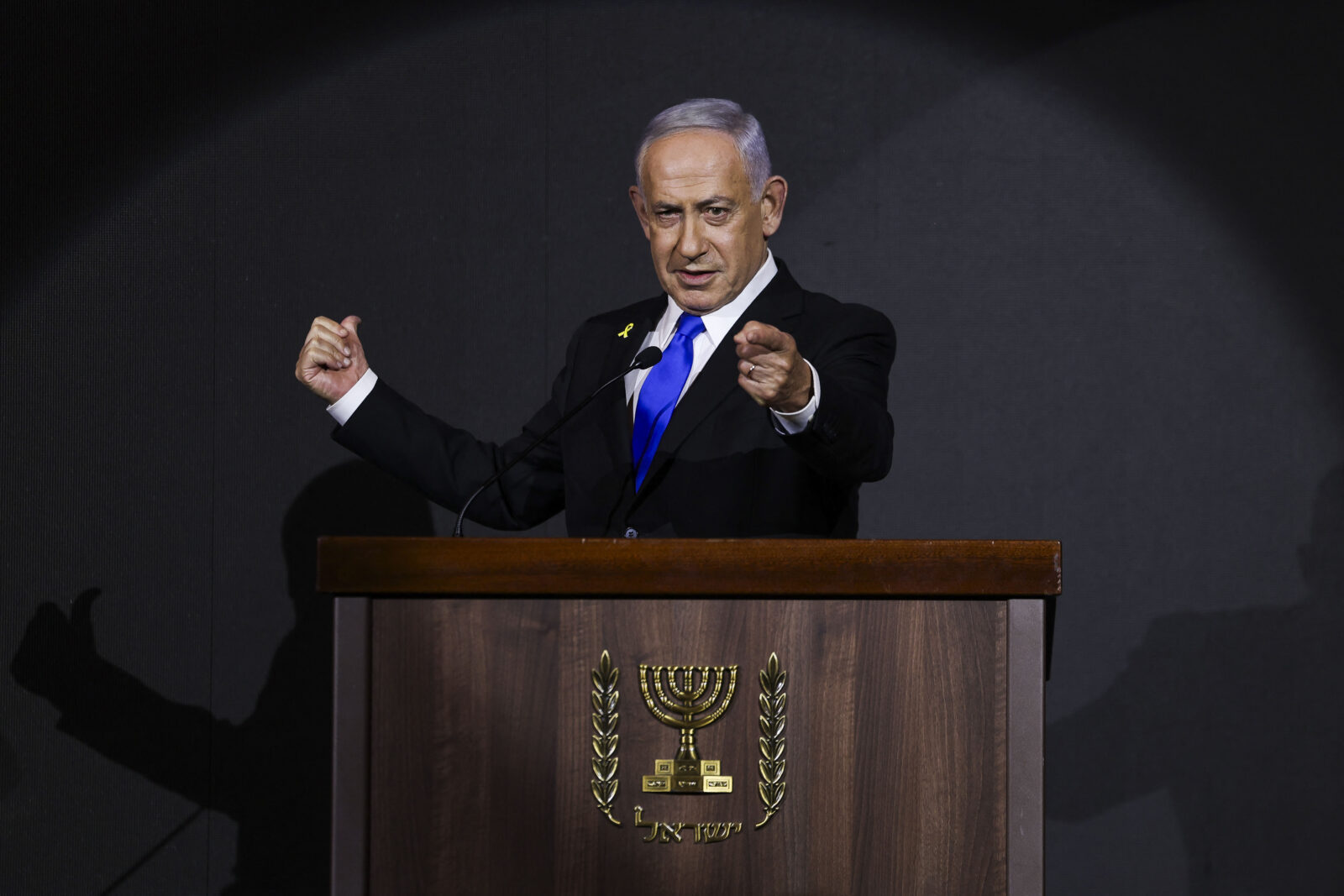
The bloc of political parties backing Israeli Prime Minister Benjamin Netanyahu had its best showing of the campaign ahead of the Oct. 27 Knesset election.
In eight polls published by Israeli media outlets in the last week, the pro-Netanyahu bloc led in four and tied in two, while the opposition bloc led by Gadi Eisenkot’s Yashar party, won in two. In all polls, the bloc sizes are very close, except for two polls in which Netanyahu’s bloc leads by 12 and 18 seats, respectively.
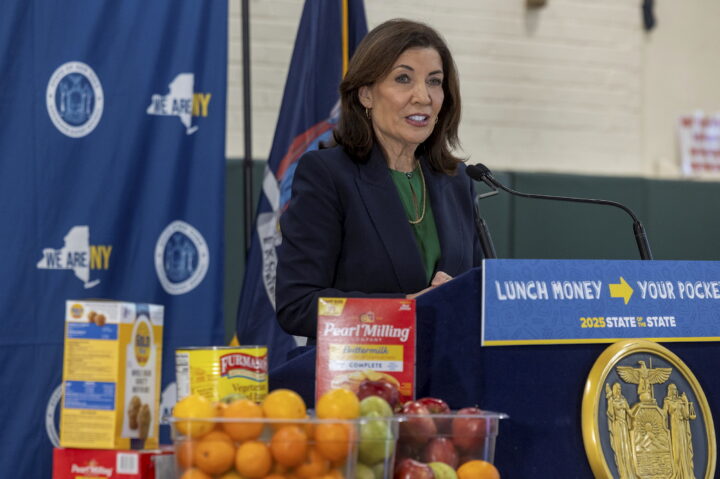
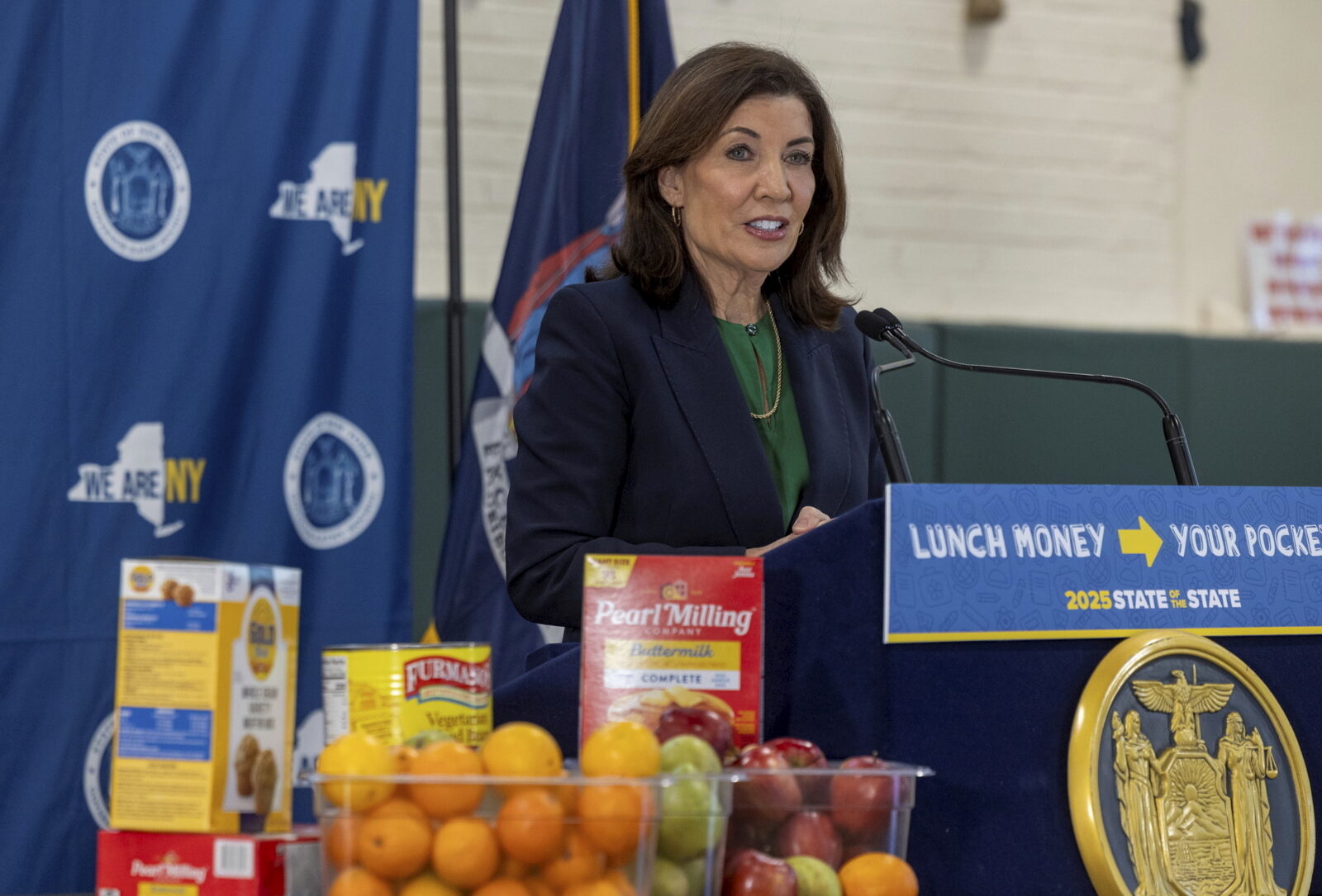
Gov. Kathy Hochul announced Friday that she will opt New York into the new federal scholarship tax credit program, making her the second Democratic governor to do so since the administration published formal regulations for the program.
Hochul’s decision bucks intense opposition from teachers’ unions, but has won her support from the Jewish community, which has been urging governors to opt in. She had previously said that she was inclined to support the program but was waiting to see if the regulations contained any poison pill provisions.
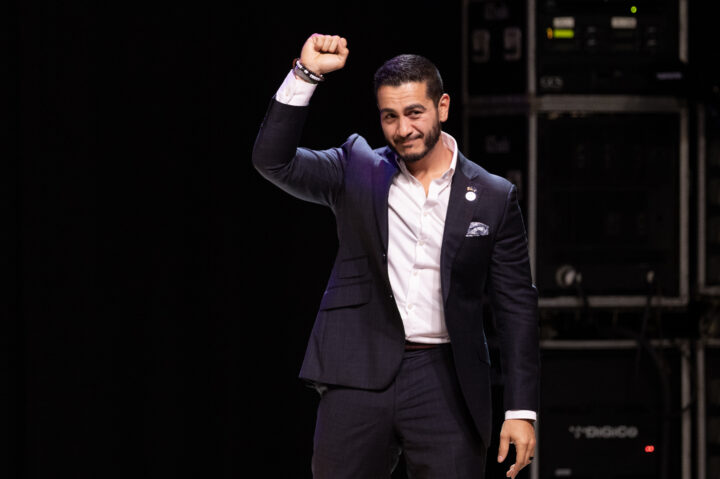
(Scott Olson/Getty Images)
AIPAC’s super PAC, United Democracy Project, entered the Michigan Senate general election on Friday to oppose Democratic nominee Abdul El-Sayed, after reported tensions with the GOP nominee, former Rep. Mike Rogers (R-MI) over its role in the race.
Individuals affiliated with Rogers’ campaign had reportedly told AIPAC that it did not want the group to openly spend in favor of him in the general election, fearing that its controversial reputation might do harm to his campaign.
Kayla Bartkowski/Getty Images
DIPLOMATIC PUSH
Miliband agrees to host international antisemitism meeting at urging of J7 Task Force
Daily Kickoff
MBS’ sand trap
analysis
MBS bet Saudi Arabia’s future on economic transformation. The Houthis are testing that wager
TWO JEWS, THREE OPINIONS
Jewish podcast ‘Chosen People Problems’ finds new home with Ark Media
BREAKING POINT
For some Jewish Democrats, Michigan’s debate was the ‘final straw’ for El-Sayed
ACCUSATION AFTERMATH
El-Sayed denies Muslim Brotherhood ties after Rogers debate claim
BIBI BOOST
Netanyahu bloc gains on Gadi Eisenkot’s opposition in latest Israeli polls
EMPIRE STATE EDUCATION
Hochul will opt New York into education tax credit that will help fund Jewish education
CAMPAIGN BLITZ
AIPAC’s super PAC wades into Michigan Senate race
PHONE A FRIEND
AOC launches campaign blitz for El-Sayed across Michigan
PEACH STATE POLITICS
Ossoff defers to ICC on Israel genocide accusations, but says IDF violated int’l law
SCOOP
Rep. Lawler urges Treasury to reopen investigation into Swiss bank’s Nazi ties
Daily Kickoff
Fight night in Michigan
TORAH AND TAXES
First female Haredi candidate promises reform to ultra-Orthodox politics
BACK FROM THE GULF
Sen. Murphy accuses admin of ‘active cover-up’ of Iran war, vows to leverage funding to end war
Subscribe now to
the Daily Kickoff
The politics and business news you need to stay up to date, delivered each morning in a must-read newsletter.
I’ve been finding the morning blast from JI very useful for all my Jewish news needs.

Jeffrey Goldberg
Editor in Chief of The Atlantic
Most Read Stories
Arrivederci, Reggio
Jewish preschool educators forced to condemn Israel to attend Reggio Emilia conference
CITY HALL CRITICISM
Mamdani’s Oct. 7 statement assailing ‘genocide in Gaza’ provokes outrage from Jewish groups
IN THE CROSSHAIRS
Posters target University of Oregon Hillel executive director as ‘enemy of the people’
Go Blue, but blue and white?
Michigan Hillel’s break with Israel advocacy groups raises questions about where it stands
Gaza Grift?
Department of Justice operation targets Hamas network of fake charities

Please log in if you already have a subscription, or subscribe to access the latest updates.
 Continue with Google
 Continue with Apple