



Courtesy


 Add JewishInsider on Google
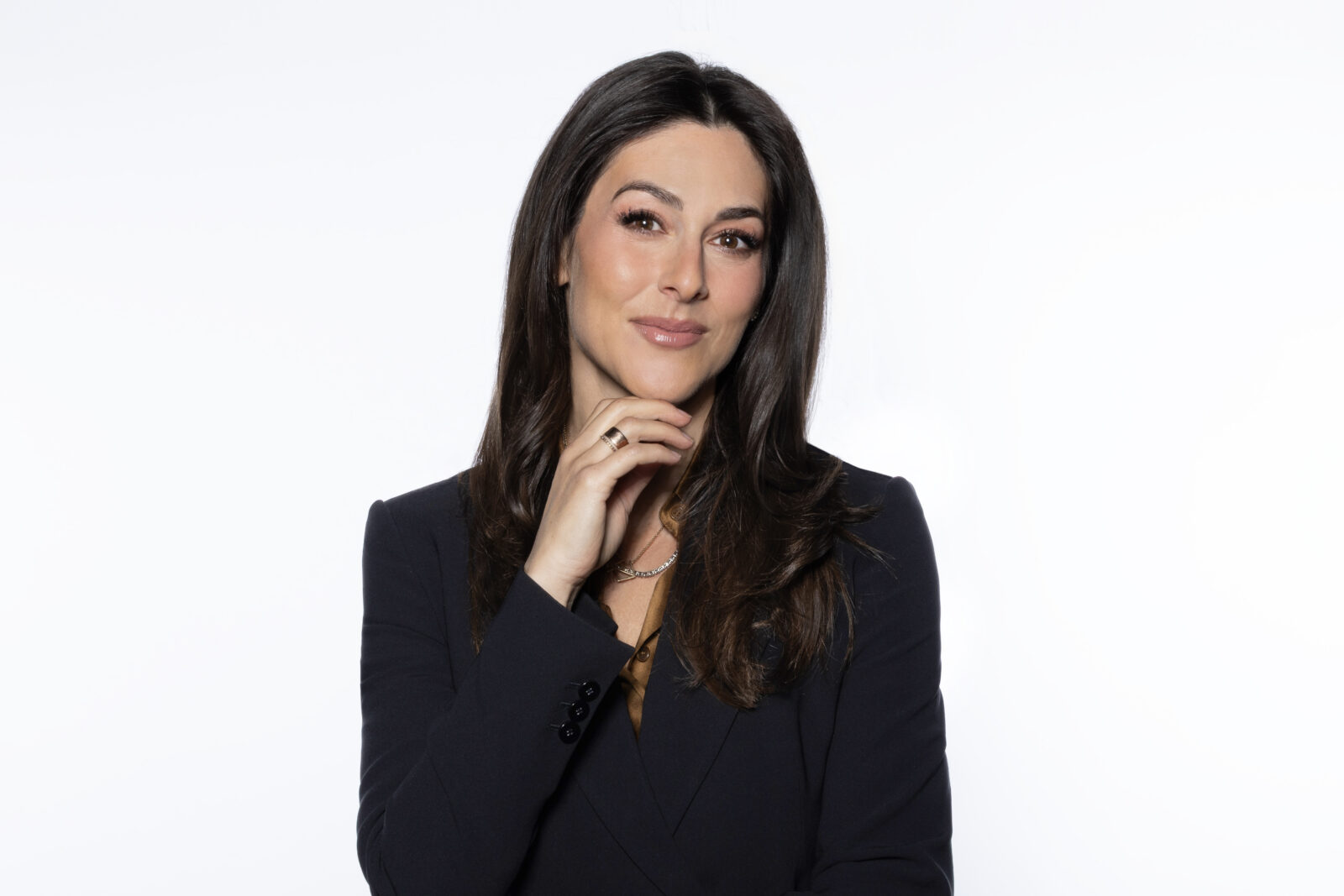
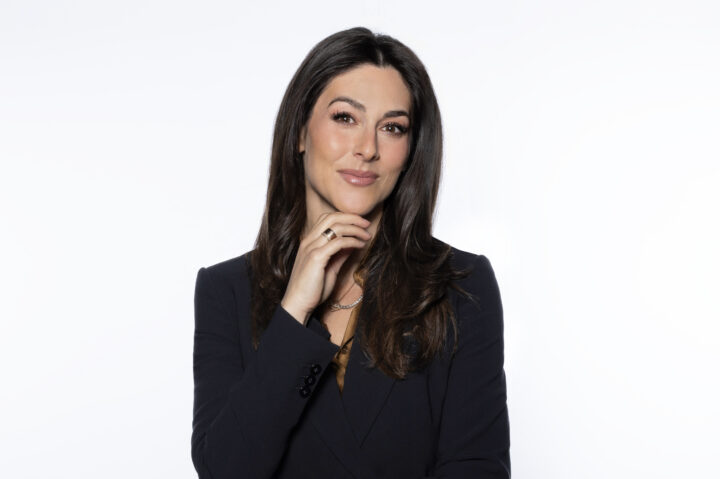
MS NOW anchor Erielle Reshef never planned to become a television journalist. After completing a master’s degree in diplomacy and conflict studies in Israel in 2010, she happened to be watching an English-language news program whose anchors were about to go on maternity leave. Her husband wrote down the email address on the screen and pushed her to apply.
Reshef, who had never worked in a newsroom or even read from a teleprompter, went in for a screen test. She was hired by the now-shuttered IBA English News, Israel’s Channel 1, the next day.

GETTY IMAGES
Despite objections from leading Democrats, the House on Wednesday passed a bipartisan bill to sanction Russia and extend existing sanctions on Iran, named for the late Sen. Lindsey Graham (R-SC), who spent his final months negotiating the legislation.
The bill now heads to the White House to be signed into law. It includes a five-year extension of the Iran Sanctions Act of 1996, which was set to expire in 2026, a late-stage addition to the bill in the Senate after President Donald Trump demanded that the bill include provisions related to Iran.
Marc Rod
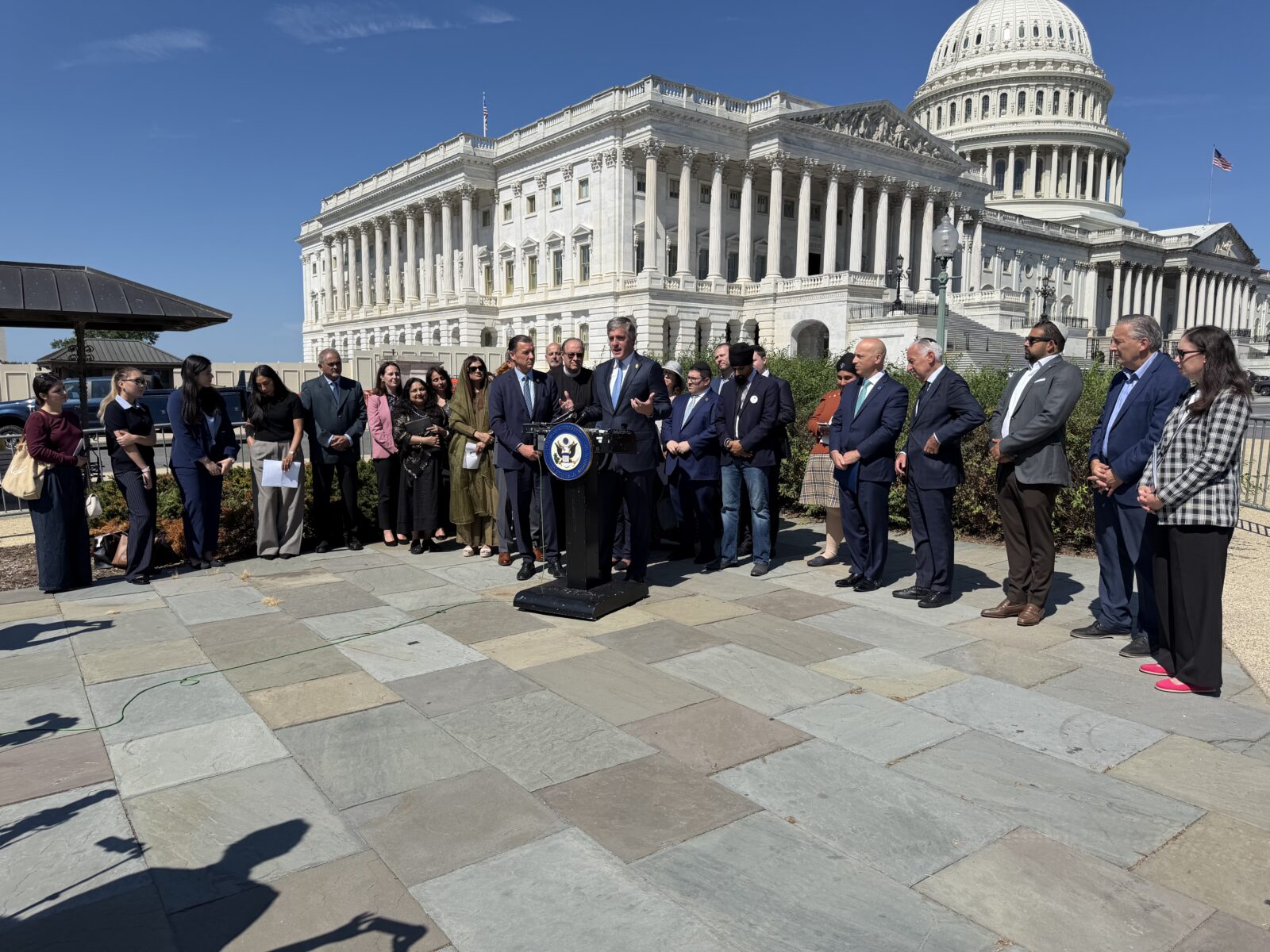
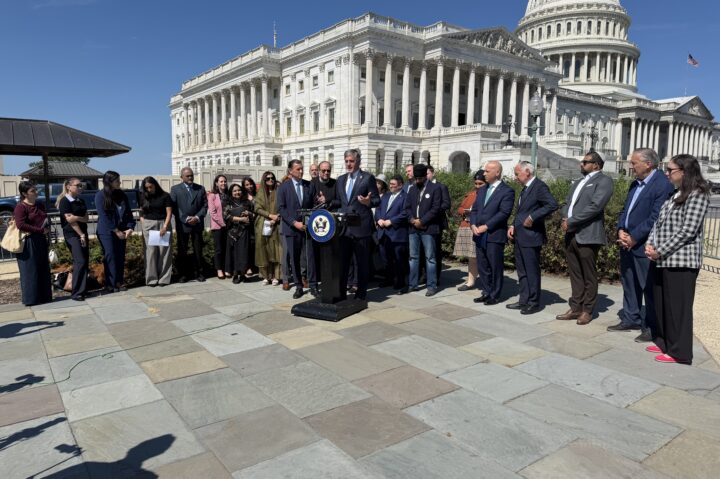
Reps. Brad Knott (R-NC) and Tom Suozzi (D-NY) rallied outside the Capitol on Wednesday alongside more than two dozen representatives of religious community organizations in support of the Right to Worship Act, their federal bill establishing buffer zones outside of religious institutions to protect them from disruptions.
House Speaker Mike Johnson (R-LA), who has been involved in supporting the bill behind the scenes, also expressed his support for it in a statement to Jewish Insider.
Finn Gomez/Getty Images
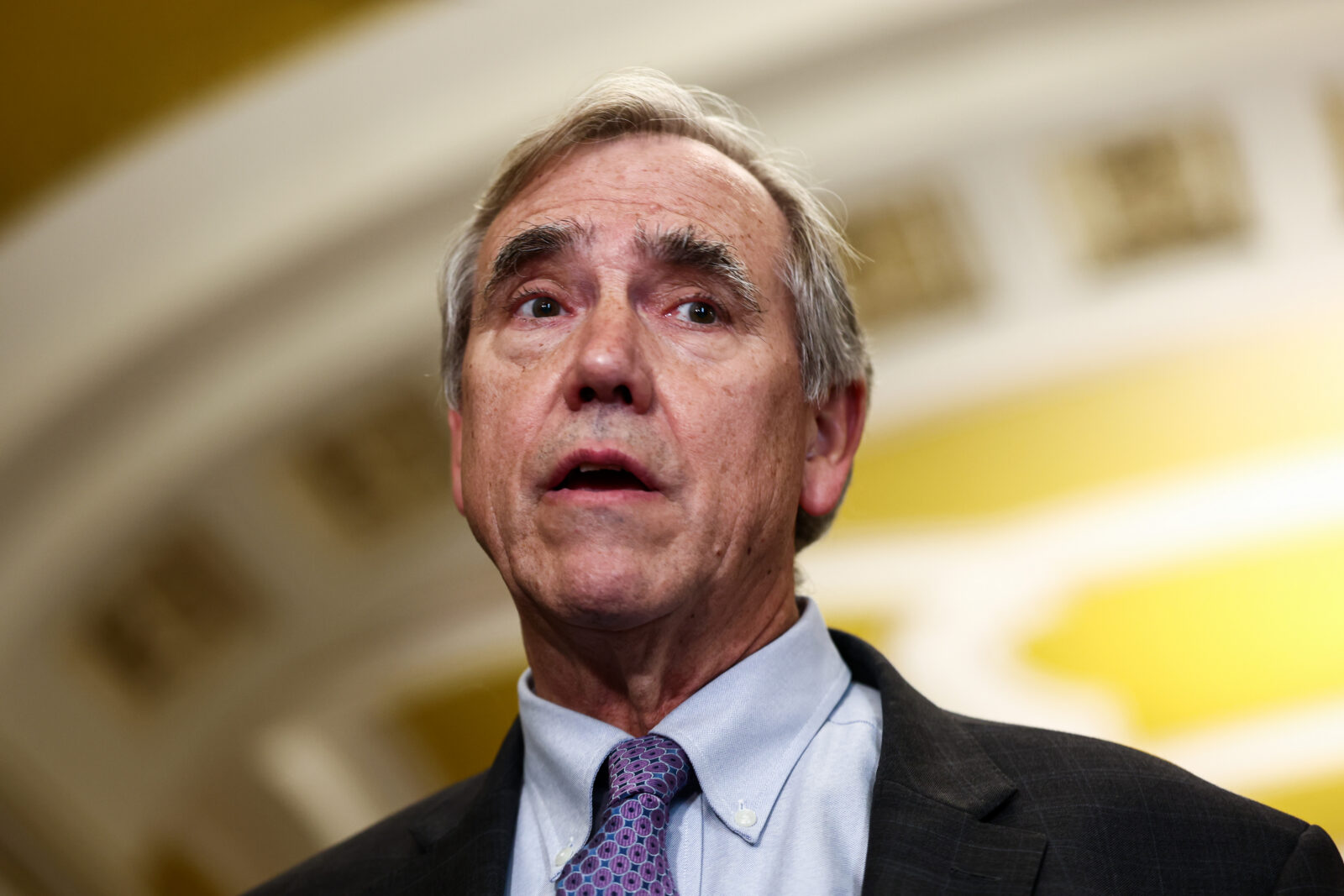
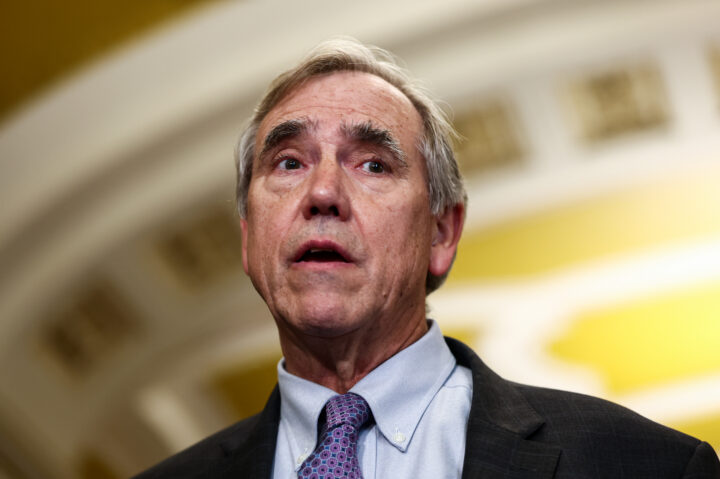
A bipartisan group of senators wrote to Trump administration officials on Wednesday urging them to declassify two side letters related to the U.S.-Saudi nuclear deal — written agreements related to the deal that are not part of the text of the deal itself. Congress is currently reviewing the agreement, as mandated by law.
The group notably includes two Republicans: Sens. Rand Paul (R-KY), who has frequently found himself at odds with President Donald Trump, and Sen. John Kennedy (R-LA), generally a Trump supporter who nonetheless has expressed reservations about the nuclear deal, which could allow for nuclear enrichment on Saudi soil.
Alexi J. Rosenfeld/Getty Images
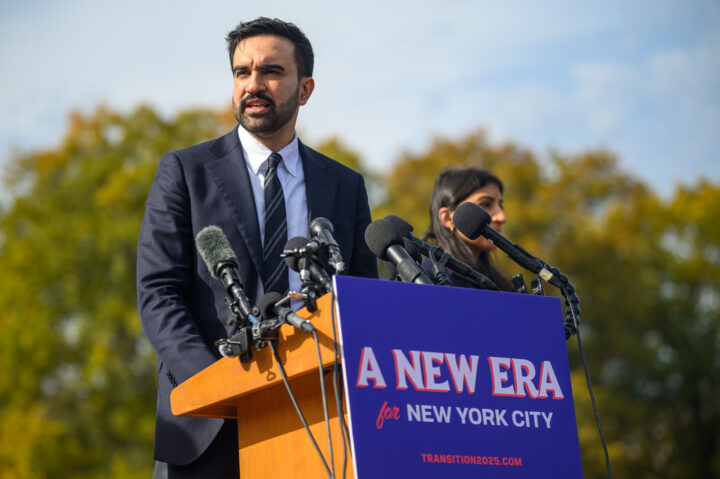
New York City Mayor Zohran Mamdani told reporters on Wednesday that he does not intend to participate in any demonstrations against Israeli Prime Minister Benjamin Netanyahu’s appearance at the U.N. General Assembly next week — and maintained he did not endorse public agitation against the Jewish state’s premier, an apparent ratcheting-down of his remarks from earlier this summer.
Following an unrelated press conference, Mamdani confirmed information leaked to Politico that he would not take part in anticipated protests against Netanyahu’s scheduled arrival in New York on Sept. 23 or speech at the international summit the next day. He also stressed that he did not call for his anti-Israel allies on the left to take to the streets either.
Kevin Carter/Getty Images
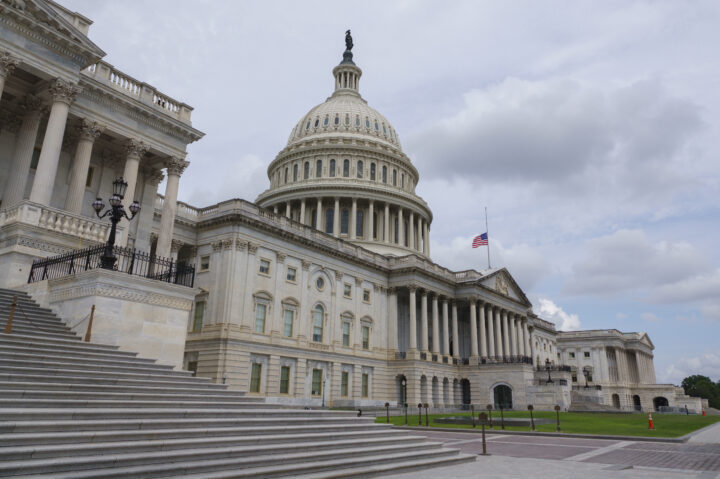
Congressional Democrats are taking steps to attempt to halt a planned $2.8 billion sale of heavy bombs to Israel, which is reportedly set to be financed with U.S. foreign military funding.
Rep. Greg Meeks (D-NY), the ranking member of the House Foreign Affairs Committee, announced he is placing a procedural hold on the sale, citing concerns that the weapons would be used in violation of U.S. and international law.

Kevin Dietsch/Getty Images
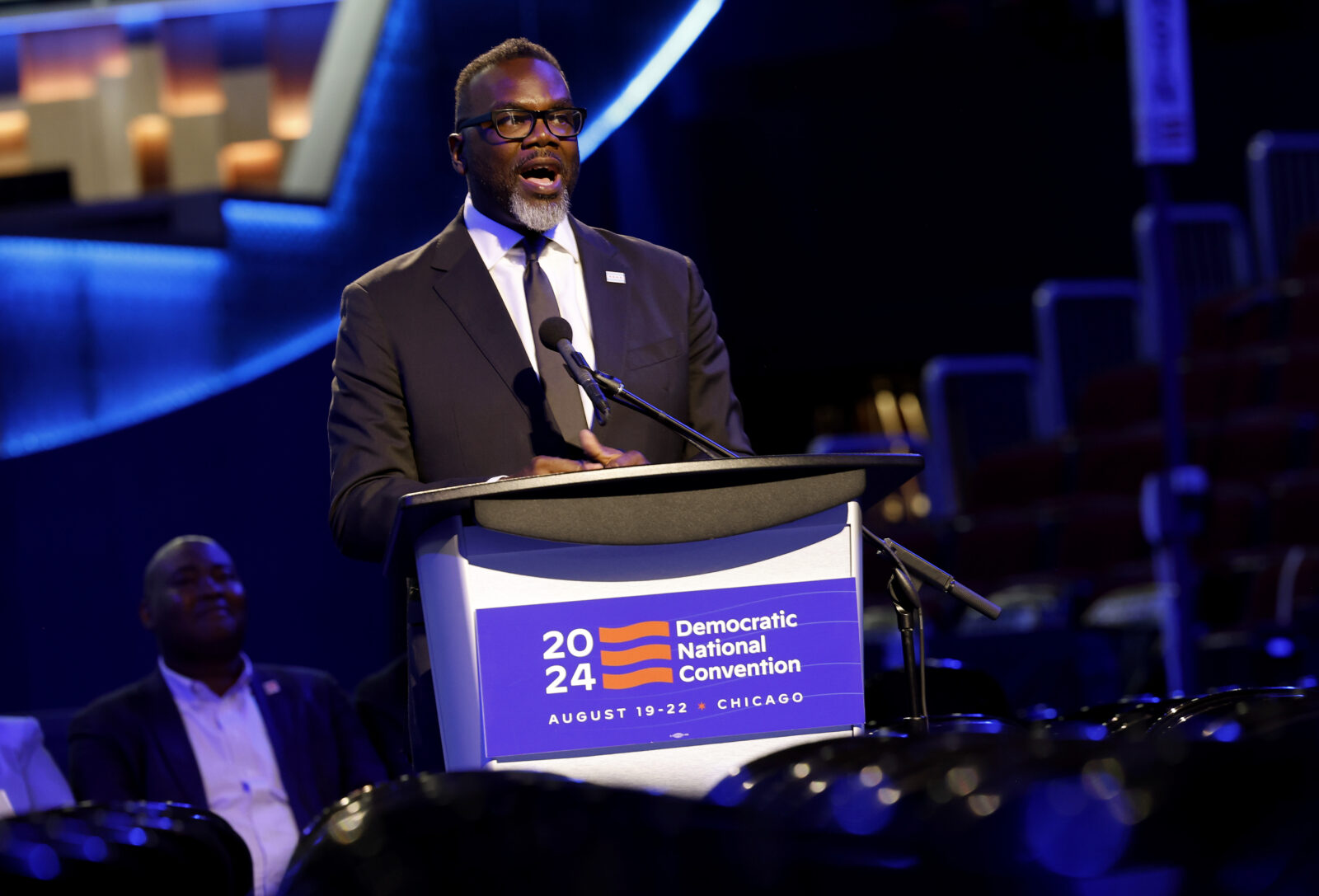
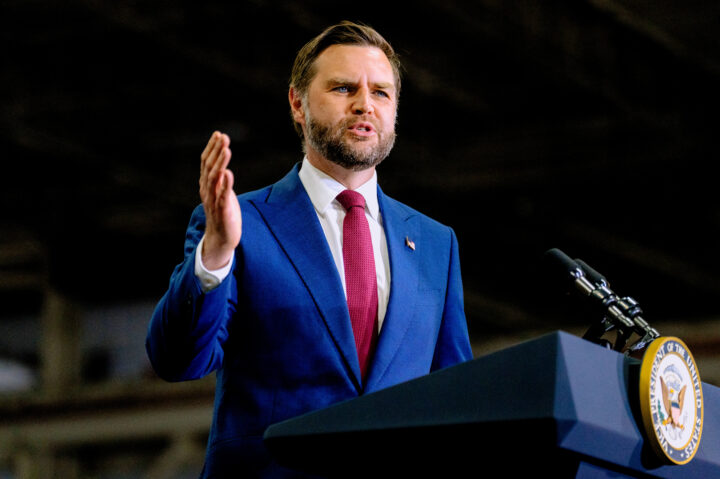
Chicago Mayor Brandon Johnson is facing a long list of challengers in his reelection campaign next year — not to mention dismal job approval ratings and paltry fundraising. He kicked off his bid for a second term at an event on Sunday, however, directly targeting AIPAC as well as a Jewish Democratic donor who has contributed both to the pro-Israel group and, more recently, a top rival of Johnson’s.
“When you hear that someone wants to be your mayor and they claim to be progressive but they take money from AIPAC and Michael Sacks and corporate interests and shell PACs,” Johnson said at a rally over the weekend, “you know who has the power. It’s not you.”
Nic Antaya/Getty Images
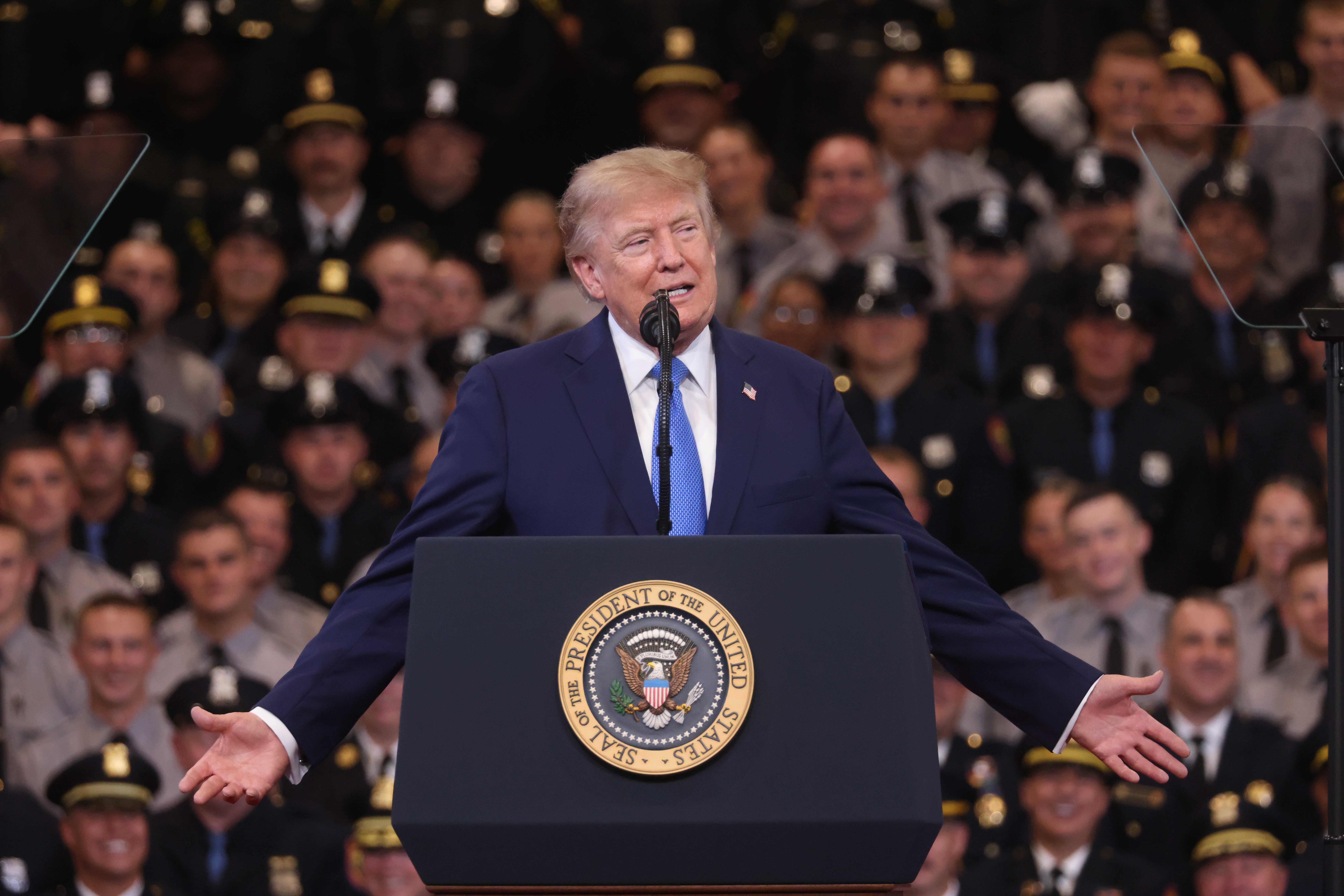
Vice President JD Vance said on Tuesday that the U.S. must prioritize its own needs and “cannot let our Middle Eastern foreign policy be subservient to the State of Israel,” likening the dynamic to that of NATO during a virtual appearance at the All-In Summit.
Vance made the comments in conversation with “All-In Podcast” co-host Jason Calacanis, saying there are “obviously a lot of important relationships, a lot of important partnerships in NATO, but that doesn’t mean that we’re going to completely make our European foreign policy subservient to NATO in the same way that we cannot let our Middle Eastern foreign policy be subservient to the state of Israel.”
Michael Nagle/Bloomberg via Getty Images
ANCHOR POINT
MS NOW anchor Erielle Reshef says her Jewish identity is an asset, not a liability
ON THE HILL
House passes Iran, Russia sanctions bill, over objections from leading Democrats
SHOW OF SUPPORT
Suozzi, Knott, Jewish groups rally for Right to Worship Act
BEHIND THE VEIL
Senators urge administration to declassify information on Saudi nuclear deal
Protest politics
Mamdani says he won’t protest Netanyahu — and doesn’t urge New Yorkers to, either
NOT SO FAST
Democrats push back on White House’s planned $2.8 billion sale of bombs to Israel
Daily Kickoff
Deep-dish dog whistle
WINDY CITY WEDGE
Chicago Mayor Brandon Johnson targets top Jewish Democratic donor amid rocky road to reelection
The JD doctrine
Vance likens U.S.-Israel ties to NATO, says U.S. policy ‘cannot’ be ‘subservient’ to Israel
RED SEA RECKONING
Houthi gains leave Saudi Arabia short on options and looking to Washington
DESIGNATION PUSH
Cruz calls on Trump administration to designate CAIR as a terrorist organization
digital danger
Kash Patel calls online-driven violence the top U.S. security threat, citing synagogue attacks
Q&A
Fatema Al Harbi on joining Noa Tishby’s campus tour to combat extremism in the Middle East
MINYAN MATTERS
Supreme Court to hear case of man blocked from holding minyan in his home
Holding firm
Suozzi says he won’t bend on Israel as Democratic colleagues shift
Subscribe now to
the Daily Kickoff
The politics and business news you need to stay up to date, delivered each morning in a must-read newsletter.
I’ve been finding the morning blast from JI very useful for all my Jewish news needs.

Jeffrey Goldberg
Editor in Chief of The Atlantic
Most Read Stories
TOUR TROUBLE
Macklemore dropped from Ed Sheeran’s U.S. tour after venues refuse to host him over anti-Israel activism
TEXAS TROUBLE
Ted Cruz slams Dems for not speaking out against College Dems’ Hasan Piker invitation
Democracy Deficit
New report warns civics education crisis is fueling antisemitism, eroding support for Israel
WAITING GAME
Mamdani says he’ll release overdue plan to combat antisemitism ‘soon’
MINYAN MATTERS
Supreme Court to hear case of man blocked from holding minyan in his home

Please log in if you already have a subscription, or subscribe to access the latest updates.
 Continue with Google
 Continue with Apple